Engineering Native Biological Complexity From the Inside-out and Outside-in
Speaker
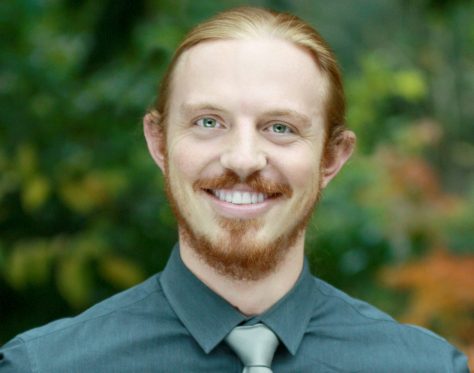
Cole A. DeForest
- Charles W. H. Matthaei Endowed Professor, Departments of Chemical Engineering and Bioengineering, University of Washington
- Director of Education, Molecular Engineering and Sciences Institute, University of Washington
About This Talk
Engineering heterogeneous multicellular tissue with native complexity remains one of the holy grails of regenerative medicine and basic biological research. As success in this regard would yield powerful bioengineered constructs useful in functional transplantation, high-throughput drug screening, and fundamental biology investigation, research efforts in the University of Washington’s Cole A. DeForest’s lab have centered on developing and implementing tools to spatiotemporally customize living cell function both from the “outside-in” and from the “inside-out.”
In this talk, DeForest will discuss some of his group’s recent successes in reversibly modifying the chemical and physical aspects of synthetic cell culture platforms with user-defined and grayscale control, regulating cell-biomaterial interactions through user-programmable Boolean logic, engineering microvascular networks that span nearly all size scales of native human vasculature (including capillaries), irreversibly photoassembling bioactive proteins within living cells, and driving biomolecular condensate formation using de novo-designed proteins. Results will highlight the group’s ability to modulate intricate cellular behavior, including stem cell differentiation, protein secretion, genome editing, and cell–cell interactions in 4D.
About the Speaker
Cole A. DeForest is the Weyerhaeuser Endowed Professor in the Departments of Chemical Engineering and Bioengineering, the Associate Chair and Graduate Program Director of Chemical Engineering, the Director of Education of the Molecular Engineering & Sciences Institute, as well as a core faculty member of the Institute for Stem Cell & Regenerative Medicine at the University of Washington, where he began in 2014. He received his B.S.E. from Princeton University in 2006, majoring in chemical engineering and minoring in materials science and engineering and bioengineering. He earned his Ph.D. under the guidance of Dr. Kristi Anseth from the University of Colorado in chemical and biological engineering, with an additional certificate in molecular biophysics. He was a postdoctoral researcher with David Tirrell in the Divisions of Chemistry and Chemical Engineering at the California Institute of Technology.
He has published approximately 90 peer-reviewed articles, including as the corresponding author for those appearing in Nature Materials, Nature Chemistry, Nature Chemical Engineering, Nature Chemical Biology, Advanced Materials, JACS, PNAS, Science Advances, Nature Reviews Materials, and Nature Reviews Bioengineering. DeForest has received numerous research awards and honors, including the Society for Biomaterials’ Mid-Career Award (2025) and Young Investigator Award (2020), NIH Maximizing Investigators’ Research Award (MIRA R35, 2020 & 2026), National Science Foundation CAREER Award (2017). He has also been recognized for excellence in teaching and was awarded the UW Presidential Distinguished Teaching Award (2016), given annually to a single assistant professor across all of UW, as well as the UW Outstanding Undergraduate Research Mentor Award (2025), given annually to a single engineering professor at UW. His research has been supported through fellowships and grants from the National Science Foundation, the National Institutes of Health, the Defense Advanced Research Projects Agency, and the U.S. Department of Education.
About the MSE Seminar Series
The Materials Science and Engineering (MSE) Seminar Series features distinguished speakers from leading institutions, offering a platform for sharing groundbreaking research, innovative ideas, and entrepreneurial experiences. Held multiple times each semester, these seminars bring global perspectives world to MIT’s materials research community, exposing students, faculty, and postdocs to cutting-edge concepts and valuable networking opportunities.